What Causes High Blood Pressure?
The heart pumps blood in the body and transports it to various organs of the body through the arteries. The pressure exerted by the blood on the walls of the arteries is referred to as blood pressure. Hypertension or high blood pressure occurs when the blood pressure readings are higher than the normal rate (that is above 120/80mmHg (millimeters of mercury)).There are two kinds of hypertension namely, primary and secondary. In the the case of primary hypertension, no definite medical cause can be determined as the cause of abnormal blood pressure. Secondary hypertension is the kind where the cause for it could be possibly due to other affected parts such as kidneys, endocrine system or the heart.
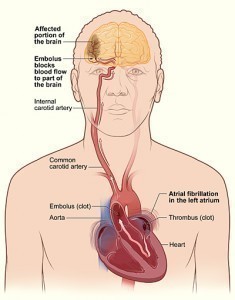
High blood pressure is not inappropriately described as the ‘silent killer’ because, often, the patient is unaware of the condition and becomes aware of the problem only when some major complication occurs. Some of the repercussions of having high blood pressure include heart diseases kidney failure, stroke, peripheral artery disease and aneurysms or weakening of the walls of the aorta that could lead to its widening or ballooning.
Some More Facts About High Blood Pressure
Blood pressure is measured at the upper half of the arm, near the brachial artery. It is measured in terms of two numbers namely the systolic pressure and the diastolic pressure. The top number represents the systolic pressure (pressure created when the heart pumps or contracts) while the bottom number is the diastolic pressure (pressure inside the blood vessels when the heart is resting between heartbeats).
A blood pressure reading of 140/90 or higher is considered high, either numbers or both are too high.
There is also pre-hypertension when the readings are 120-139 for the systolic blood pressure and, 80 to 89 for the diastolic blood pressure. Any of these readings or combinations could indicate the development of hypertension.
Factors That Influence Blood Pressure
The following are some of the factors that affect the blood pressure levels in our body:
- salt intake
- water in the body
- the condition of the kidneys, nervous system and blood vessels
- body hormone levels
There are cases where the exact cause of high blood pressure cannot be identified due to multiple factors (essential hypertension). These cases are more common in what is called secondary hypertension created by specific conditions (diabetes, obesity and so on), habits (such as alcohol or drug abuse) or medications (such as appetite suppressants and migraine medications).
Causes of High Blood Pressure
Genetic Factors
Genes are a significant contributor to high blood pressure. Family history of hypertension increases its risk, especially in African American families. Persons that are younger in age are more likely to develop high blood pressure if their DNA suffers from severe mutations or deletions of its portions within the gene for a protein. Less severe mutations in the genetic code will take a much longer time to develop into a disorder. However, after a period of time they will eventually lead to hypertension as the body’s feedback system is weakened.
Disease of the Kidneys
Renal hypertension occurs when the renal artery that supplies blood to the kidney experiences narrowing (atherosclerotic or fribromuscular hyperplasia), this narrowing damages the blood flow to the affected kidney which is then stimulated to produce renin and angiotensin. Renin and angiotensin are hormones that when coupled with aldosterone (hormone that balances salt and water in the body) narrows the peripheral arteries in the body and cause high blood pressure.
Adrenal Gland Tumors
The adrenal glands are located on top of the kidneys. There are two types of tumors which affect these glands – one causes an excess amount of aldosterone while the other produces a surplus of catecholamines. The two tumors will produce high levels of adrenal hormones which can cause high blood pressure.
Coarctation of Aorta
The aorta is the major artery that leads out from the heart. The narrowing of this artery usually takes place above the renal arteries which is referred to as coarctation and restricts the blood flow. The aorta’s function is to transport blood from the heart to the vessels that provide blood and nutrients throughout the body. This condition is a common factor of hypertension in children. The restriction of blood to the kidney results in hypertension as described earlier.
Obesity
One of the causes of high blood pressure is obesity. Doctors often recommend that patients should try and reduce their weight and strive to bring it to 15% of their healthy body weight.
Other Factors That can Cause High Blood Pressure
Some of the other factors that can lead to high hypertension include medications, sodium sensitivity, sedentary lifestyle and alcohol or drug abuse.
High blood pressure is a serious condition that ought to be treated with the help of a trained medical practitioner. As mentioned earlier, patients may not be aware of this condition and so, regular health check-ups should be done to detect a possible problem with blood pressure.