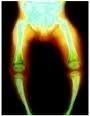
What Causes Vitamin D Deficiency?
Vitamin D is a group of fat-soluble prohormones with active metabolites. Vitamins D2 and D3 are the two major forms. Sun exposure, food and supplements are the sources of vitamin D. Calcitriol is an active form of Vitamin D3. It is required for bone growth, bone formation and bone resorption. Inadequate amounts of Vitamin D can lead to thin, brittle and deformed bones.
Deficiency is any condition in which insufficient intake of a nutrient results in significant dysfunction or disease; all tissues need nutrients; shortages impair the functioning of all body systems. Vitamin D deficiency results in impaired bone mineralization and leads to bone softening diseases, rickets, osteomalacia, osteoporosis, genomic signaling, immune disorders, and sometimes it is even related to cancer.
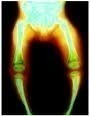 Causes of Vitamin D Deficiency
There are certain conditions and disorders that can lead to vitamin D deficiency, but there are other contributing factors, such as poor diet, excessive alcohol consumption, stress, and environmental factors such as limited exposure to sunlight.
Insufficient Exposure to Sunlight
People who live in areas where the climate is cold with few sunny days, are at risk of developing vitamin D deficiency. The skin needs to be exposed to sunlight for fifteen to twenty minutes, at least three times a week, in order to synthesize vitamin D. Of course, you should not expose your skin if the sun is strong. Spending time in the mild morning sun, or late in the afternoon will help vitamin D production, but it won’t cause any sunburns and irritation.
Malnutrition
Foods that contain vitamin D are meat, dairy, fish, eggs, fortified cereals, etc. Although we cannot rely only on the amounts of vitamin D found in these foods, they are still considered good sources of vitamin D. Therefore, people who don’t eat meat and dairy are at higher risk.However, even if you are not a vegan, it is hard to get your daily dose of vitamin D only from these foods, so supplementation is often necessary, especially in children. In order to prevent some D deficiency-caused conditions, such as rickets in children, vitamin D is added to formula. Even babies who are breastfed should consume formula enriched with vitamin D, in addition to mother’s milk.
Some hereditary disorders are also linked to vitamin D deficiency.
Malabsorption Syndrome
Malabsorption can deprive the body of dietary vitamin D. “Malabsorption syndrome is an alteration in the ability of the intestines to absorb nutrients adequately into the bloodstream. It may be due to an abnormality of the gut wall, failure to produce enzymes or bile to aid digestion, or there may be abnormalities of the flora of the gut”.
Kidney and Liver Disease
Vitamin D must be metabolized within the body to the active form known as 1, 25-dihydroxycholecalciferol. Within the liver, cholecalciferal is hydroxylated to 25-hydroxycholecalciferol by the enzyme 25-hydroxylase and within the kidney, 25-hydroxycholecalciferol serves as a substrate for 1-alpha-hydroxylase, yielding 1, 25-dihydroxycholecalciferol. People with liver and kidney disease have a high incidence of deficiency of nutritional vitamin D. Both conditions can interfere with generation of the biologically-active form of vitamin D.
Cystic Fibrosis
Cystic fibrosis is a hereditary disease of the secretory glands, including the glands that make mucus. Persons with the disease produce abnormally thick and sticky mucus that often obstructs the lungs, leading to lung infections, as well as to clogs in the pancreatic ducts, which can prevent normal digestion and lead to vitamin deficiencies.
Crohn’s Disease
Crohn’s disease is a disorder that causes inflammation of the digestive or gastrointestinal tract. It can affect any part of the gastrointestinal tract, but the most common complication is blockage of the intestines. Nutritional complications are common in Crohn’s disease. Deficiencies of proteins, calories, and vitamins can occur and may be caused by inadequate dietary intake, intestinal loss of protein, or malabsorption.
Lupus
Lupus is a chronic, autoimmune disease that can damage any part of the body including the skin, joints, and/or organs. If kidneys or liver are damaged, this will impair the production/breakdown of Vitamin D.
For more information on What Causes Vitamin D Deficiency read: